Prepare correctly!
Driving on a racetrack is a high load for man and machine.
What should I do before arrival?
Does your vehicle still have a valid technical inspection (TÜV)? Are the tires and brakes in order?
If necessary, book a hotel in good time. We usually have a preferred hotel with a special discount. Details can be found in the entry form.
What should I do on the day of arrival?
Please remove all unnecessary items (e.g. road atlas, spray cans, tools) from the interior and trunk of your vehicle. Make sure that there is nothing under the seats either. Flying objects can quickly become dangerous, for example during braking maneuvers on the racetrack!
Be sure to check the engine oil level and, as a precaution, take a liter of engine oil with you to the event as a reserve.
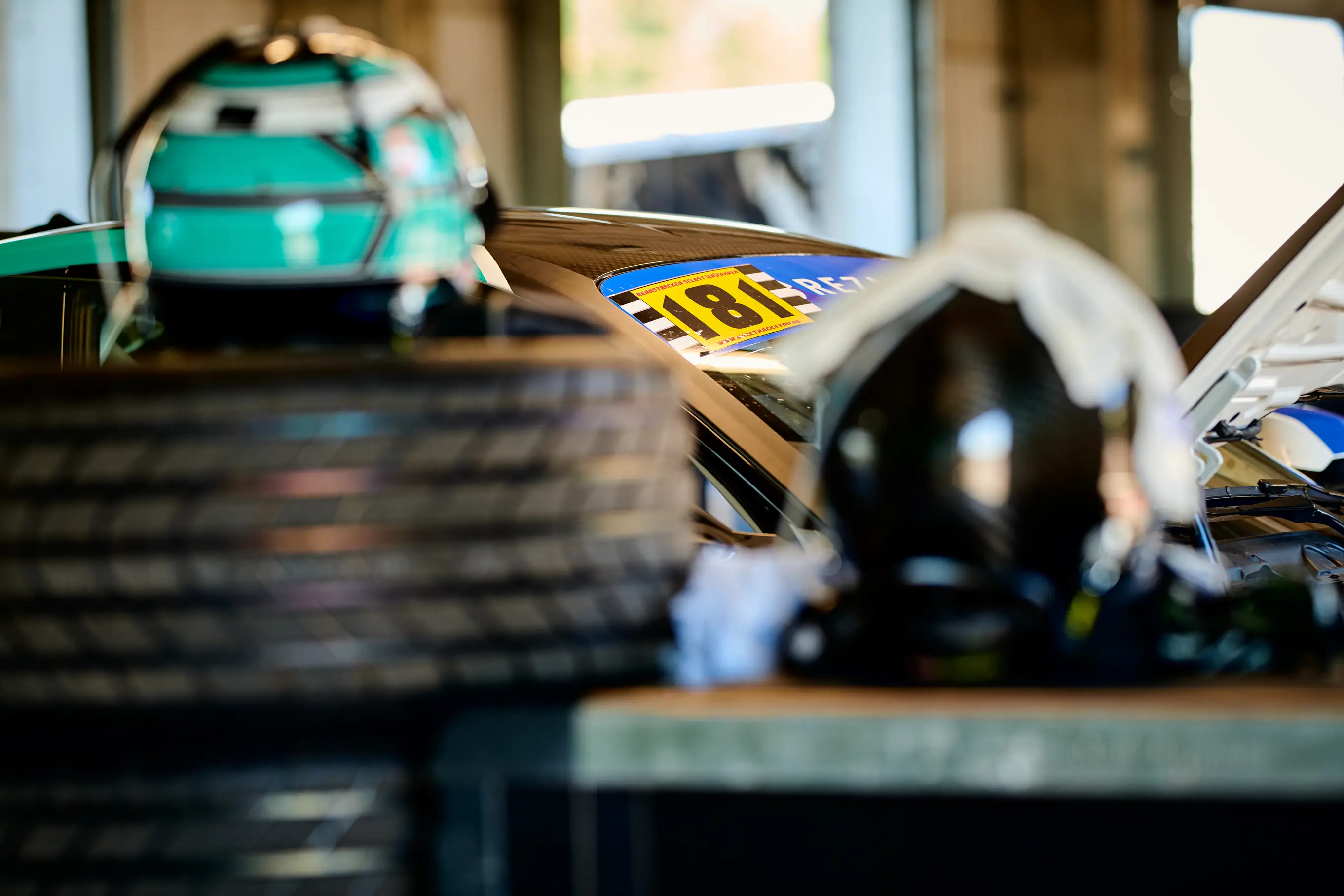
Don't forget to pack your helmet and long clothes!
What should I do on the driving day?
Engine oil check
Check the engine oil level again: it should be between the middle and the maximum level, never above. Never load the engine with too much oil, because then the oil can escape from the engine and damage it! Check the oil level again during the lunch break!
Tire pressure
Reduce the tire pressure by at least 0.2-0.3 bar compared to the regular specification for the vehicle. This enables the greatest possible grip for exact driving on the ideal line. Also consider the increased tire wear. Do not come with worn tires under any circumstances!
Fuel level
Please come to the racetrack with a full tank, you will not have time to refuel in the morning.
Due to the high lateral acceleration on the racetrack, it can happen that the fuel pump runs empty and the car stutters even with half a tank. In addition, the gasoline at the racetrack is particularly expensive.
Brake system
When driving sporty on the racetrack, the brake system is extremely stressed. Even brake systems that appear superior in road traffic can noticeably lose their effect after a few laps. Please take appropriate breaks. If possible, drive a cool-down lap before you come into the pits.
If the handbrake warning light flashes in curves, the cause is often that the brake fluid level is too low. This can be an indication of worn brake pads.
Flag knowledge
- Red flag: The track is closed and must be left at the pit exit at a significantly reduced speed.
- Yellow flag: Obstacle on the track. Reduce speed.
- Green flag: Track (re)opened.
- Blue flag: we usually don't have this, but it means: let a faster vehicle pass from behind.
- Black flag: we don't have this, but it means: vehicle must leave the track.
- White flag: slow vehicle on the track.
- Black and white checkered: End of safety driving (the session)
Important safety instructions
Always think about safety! Racetrack driving is an extreme sport. Make sure that your vehicle is technically flawless and that you feel physically fit. If you are unsure or have any questions, please contact our instructors at any time.
Helmet and protective clothing are mandatory! Participation is not possible without appropriate equipment. We also recommend gloves and sturdy shoes.